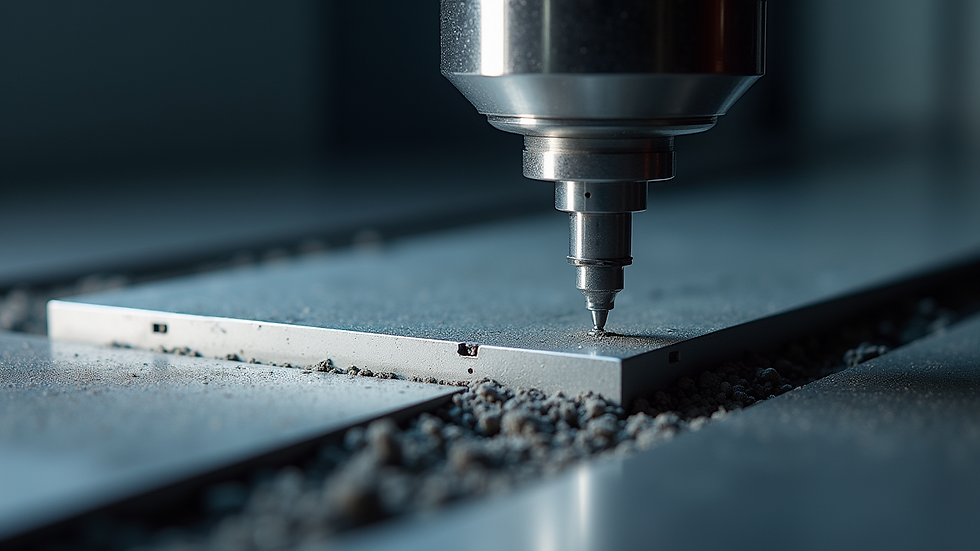
Understanding Fabrication Assembly Processes
Metal fabrication assembly plays a critical role in manufacturing industries such as aerospace, automotive, medical, and industrial sectors. It involves combining various metal components to create finished products or subassemblies. The process demands precision, efficiency, and a deep understanding of materials and techniques. In this article, I will explain key fabrication assembly processes, their applications, and how they contribute to producing high-quality metal products.
Key Fabrication Assembly Processes
Fabrication assembly processes include cutting, bending, welding, fastening, and finishing. Each step requires specific tools and skills to ensure the final product meets design specifications and quality standards.
Cutting: This is the first step where raw metal sheets or bars are cut into required shapes and sizes. Methods include laser cutting, plasma cutting, waterjet cutting, and shearing. Laser cutting offers high precision and clean edges, ideal for complex designs.
Bending: After cutting, metal parts often need shaping. Bending uses press brakes or rollers to form angles or curves. This process must be controlled carefully to avoid cracks or deformation.
Welding: Welding joins metal parts permanently. Common welding techniques include MIG, TIG, and spot welding. Each method suits different materials and thicknesses. Proper welding ensures strength and durability.
Fastening: In some cases, parts are joined using mechanical fasteners like bolts, screws, or rivets. This allows for disassembly or adjustment later.
Finishing: The final step involves surface treatments such as grinding, polishing, painting, or coating. Finishing improves appearance, corrosion resistance, and longevity.
Understanding these processes helps manufacturers select the right methods for their projects. It also ensures efficient production and consistent quality.

Fabrication Assembly Processes in Practice
Fabrication assembly processes vary depending on the product and industry requirements. For example, aerospace components demand tight tolerances and lightweight materials. Automotive parts require durability and cost-effectiveness. Medical devices need biocompatibility and precision.
In aerospace manufacturing, CNC laser cutting and TIG welding are common. These methods provide accuracy and strong joints without adding excess weight. Bending machines shape aluminum or titanium parts to exact angles.
Automotive manufacturers often use robotic welding for speed and consistency. Spot welding is popular for joining sheet metal panels. Fastening may be used for parts that require maintenance access.
Medical device fabrication emphasizes clean finishes and precise assembly. Welding and fastening must avoid contamination. Surface treatments include passivation or powder coating to enhance biocompatibility.
Industrial equipment fabrication focuses on robustness. Heavy gauge steel is cut and welded to form frames and housings. Finishing may include sandblasting and protective coatings.
By tailoring fabrication assembly processes to specific needs, manufacturers optimize performance and cost. This approach supports innovation and reliability in final products.

What is the highest paid sheet metal worker?
Sheet metal workers specialize in shaping and assembling metal sheets. Their skills include cutting, bending, and joining metal to create parts for various industries. Pay rates vary based on experience, location, and industry.
The highest paid sheet metal workers typically work in aerospace or specialized industrial sectors. These roles require advanced skills in precision fabrication and knowledge of complex materials. Workers with certifications in welding or CNC operation command higher wages.
In the United States, experienced sheet metal workers in aerospace manufacturing can earn upwards of $70,000 to $90,000 annually. Those in supervisory or technical roles may earn more. Geographic regions with high demand and cost of living also influence salaries.
Continuous training and certification improve earning potential. Mastery of advanced fabrication assembly techniques and safety standards is essential. Employers value workers who can maintain quality while meeting production deadlines.
Selecting Materials for Fabrication Assembly
Material selection is a foundational decision in fabrication assembly. The choice affects strength, weight, corrosion resistance, and cost. Common metals include steel, aluminum, stainless steel, and titanium.
Steel: Offers high strength and durability. It is widely used in automotive and industrial applications. Carbon steel is cost-effective but prone to rust. Stainless steel resists corrosion and suits medical and food industries.
Aluminum: Lightweight and corrosion-resistant. Ideal for aerospace and automotive parts where weight reduction is critical. Aluminum alloys provide good strength-to-weight ratios.
Titanium: Strong and lightweight with excellent corrosion resistance. Used in aerospace and medical implants. Titanium is expensive and requires specialized fabrication techniques.
Copper and Brass: Used for electrical components and decorative elements. These metals have good conductivity and aesthetic appeal.
Material properties influence fabrication assembly processes. For example, aluminum requires different welding parameters than steel. Understanding these differences ensures proper handling and quality outcomes.
Improving Efficiency in Fabrication Assembly
Efficiency in fabrication assembly reduces costs and shortens lead times. Manufacturers can implement several strategies to improve workflow and output quality.
Automation: Using CNC machines and robotic welders increases precision and speed. Automation reduces human error and fatigue.
Lean Manufacturing: Streamlining processes to eliminate waste and optimize material use. This includes just-in-time inventory and continuous improvement practices.
Skilled Workforce: Training employees in advanced techniques and safety protocols enhances productivity. Skilled workers can troubleshoot issues quickly.
Quality Control: Implementing inspection at each stage prevents defects from progressing. Non-destructive testing and dimensional checks ensure compliance.
Collaboration: Close communication between design, engineering, and production teams helps identify potential issues early. This reduces rework and delays.
By focusing on these areas, manufacturers can maintain high standards while meeting increasing demand.
Future Trends in Fabrication Assembly
The metal fabrication industry continues to evolve with technological advancements. Emerging trends will shape future assembly processes.
Additive Manufacturing: 3D printing of metal parts allows complex geometries and reduces material waste. It complements traditional fabrication methods.
Advanced Robotics: More sophisticated robots will handle intricate welding and assembly tasks. This increases consistency and safety.
Smart Factories: Integration of IoT devices and data analytics enables real-time monitoring and predictive maintenance. This improves uptime and quality.
Sustainable Practices: Recycling scrap metal and using eco-friendly coatings reduce environmental impact. Energy-efficient equipment lowers operational costs.
Material Innovation: Development of new alloys and composites expands design possibilities. These materials offer improved performance and lighter weight.
Staying informed about these trends helps manufacturers adapt and remain competitive in a demanding market.
Understanding the various fabrication assembly processes and their applications is essential for producing reliable metal products. By selecting appropriate methods, materials, and technologies, manufacturers can meet stringent industry standards and customer expectations. Continuous improvement and adaptation to new trends will ensure long-term success in metal fabrication.
For more detailed information on metal fabrication assembly, visit the Dasco Metal Fabrication website.