
Aerospace Fabrication Challenges: Navigating Complex Metalwork
Metal fabrication in aerospace demands precision, reliability, and adherence to strict standards. I have observed that the challenges in this field are unique and require specialized knowledge and equipment. The complexity of aerospace components, combined with the need for lightweight yet strong materials, creates a demanding environment for manufacturers.
Understanding Aerospace Fabrication Challenges
The aerospace industry requires components that withstand extreme conditions such as high pressure, temperature fluctuations, and mechanical stress. These demands translate into several fabrication challenges:
Material Selection: Aerospace parts often use advanced alloys like titanium and aluminum-lithium. These materials offer strength and weight advantages but are difficult to machine and weld.
Tight Tolerances: Components must meet exact specifications to ensure safety and performance. Even minor deviations can lead to failure.
Surface Quality: Aerospace parts require smooth finishes to reduce drag and prevent corrosion.
Complex Geometries: Many parts have intricate shapes that challenge standard fabrication methods.
Addressing these challenges requires a combination of skilled labor, advanced machinery, and rigorous quality control.
Material Handling and Machining Difficulties
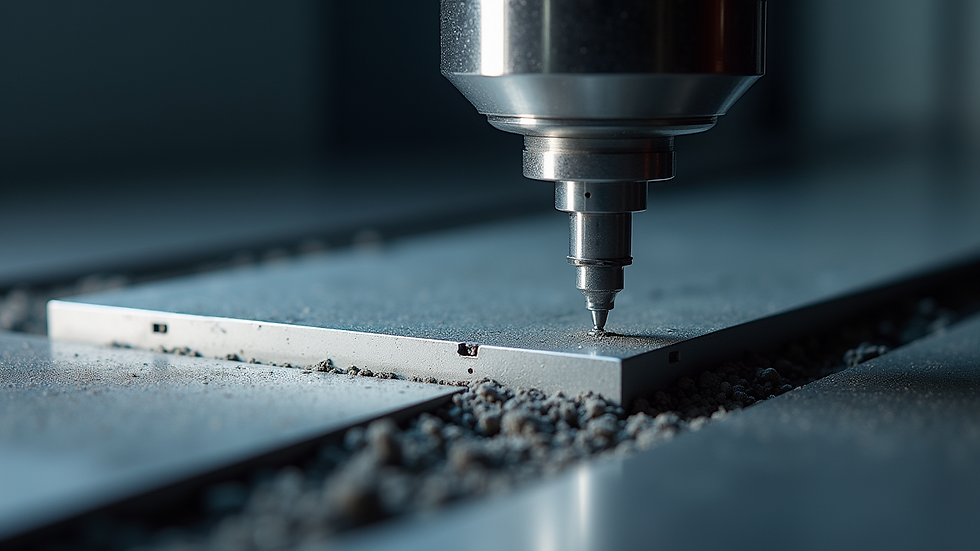
Working with aerospace metals presents specific difficulties. Titanium, for example, is strong but prone to work hardening. This means the metal becomes harder and more brittle as it is machined, increasing tool wear and the risk of defects.
Aluminum-lithium alloys are lightweight but sensitive to heat, requiring careful control during welding and forming. Improper handling can cause cracks or weaken the material.
To overcome these issues, I recommend:
Using specialized cutting tools designed for high-strength alloys.
Implementing controlled machining parameters such as speed, feed rate, and coolant application.
Training operators on the unique properties of aerospace metals.
Employing non-destructive testing to detect internal flaws early.
These steps help maintain material integrity and extend tool life.
Precision and Quality Control in Fabrication
Maintaining precision is critical in aerospace fabrication. I have found that even small errors can compromise the entire assembly. To ensure accuracy, manufacturers use:
Coordinate Measuring Machines (CMMs) to verify dimensions.
Laser scanning for surface inspection.
Statistical Process Control (SPC) to monitor production consistency.
Quality control must be integrated at every stage, from raw material inspection to final assembly. Documentation and traceability are also essential to meet regulatory requirements.

Welding and Joining Challenges
Joining aerospace metals is another complex area. Welding titanium requires an inert atmosphere to prevent contamination. Aluminum alloys need precise heat input to avoid distortion and cracking.
Alternative joining methods such as friction stir welding and adhesive bonding are gaining popularity. These techniques reduce thermal stress and improve joint strength.
Recommendations for effective joining include:
Using clean, controlled environments for welding.
Selecting appropriate filler materials compatible with base metals.
Performing post-weld heat treatments to relieve stresses.
Conducting thorough inspections using ultrasonic or X-ray methods.
Proper joining ensures structural integrity and longevity of aerospace components.
Meeting Industry Standards and Regulations
Compliance with aerospace standards such as AS9100 and NADCAP is mandatory. These standards cover quality management, process control, and product certification.
Manufacturers must:
Develop robust quality management systems.
Train personnel on regulatory requirements.
Maintain detailed records for audits.
Continuously improve processes based on feedback and data.
Adhering to these standards builds trust with clients and reduces the risk of costly recalls or failures.
Advancing Capabilities for Future Success
To remain competitive, fabricators must invest in technology and workforce development. Automation, robotics, and additive manufacturing offer new possibilities for precision and efficiency.
I encourage manufacturers to:
Adopt advanced fabrication technologies.
Collaborate with material scientists and engineers.
Focus on sustainability and waste reduction.
Expand training programs to keep skills current.
By addressing these challenges head-on, fabricators can meet the evolving demands of the aerospace sector.
For those seeking expert support in this area, partnering with a reliable provider of aerospace metal fabrication can make a significant difference in quality and delivery.
Embracing Challenges to Drive Excellence
The challenges in aerospace metal fabrication are significant but not insurmountable. With careful planning, investment in technology, and a commitment to quality, manufacturers can produce components that meet the highest standards.
I have seen that success in this field depends on understanding the unique demands of aerospace materials and processes. By focusing on precision, material science, and regulatory compliance, fabricators can deliver parts that perform reliably in the most demanding environments.
Continued innovation and collaboration will shape the future of aerospace fabrication, ensuring safety and performance for years to come.


