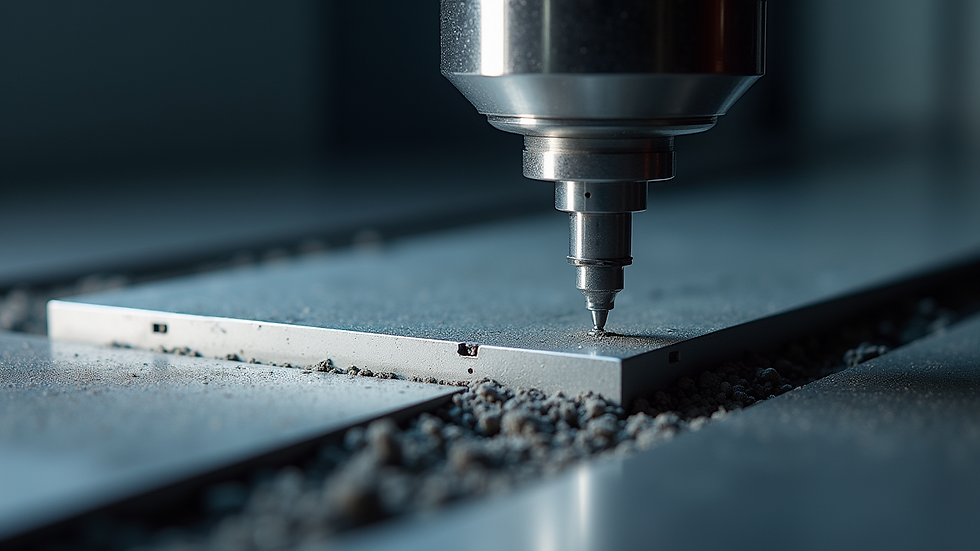
Importance of Precision Components in Manufacturing
Precision components form the backbone of many manufacturing processes. Their role is critical in industries where accuracy and reliability are non-negotiable. I will explain why precision components matter, what they are, and how they impact various sectors such as aerospace, automotive, medical, and industrial manufacturing.
The Importance of Precision Components
Precision components ensure that machines and systems operate smoothly and efficiently. When parts fit together perfectly, they reduce wear and tear, minimize downtime, and improve overall product quality. This precision directly affects safety, performance, and longevity.
For example, in aerospace manufacturing, even the smallest deviation in a component can lead to catastrophic failures. Similarly, in the automotive industry, precision parts contribute to fuel efficiency and vehicle safety. Medical devices require exact specifications to function correctly and safely. Industrial machinery depends on precision parts to maintain productivity and reduce maintenance costs.
Using high-quality precision components also supports compliance with industry standards and regulations. This compliance is essential for manufacturers to maintain certifications and market access.
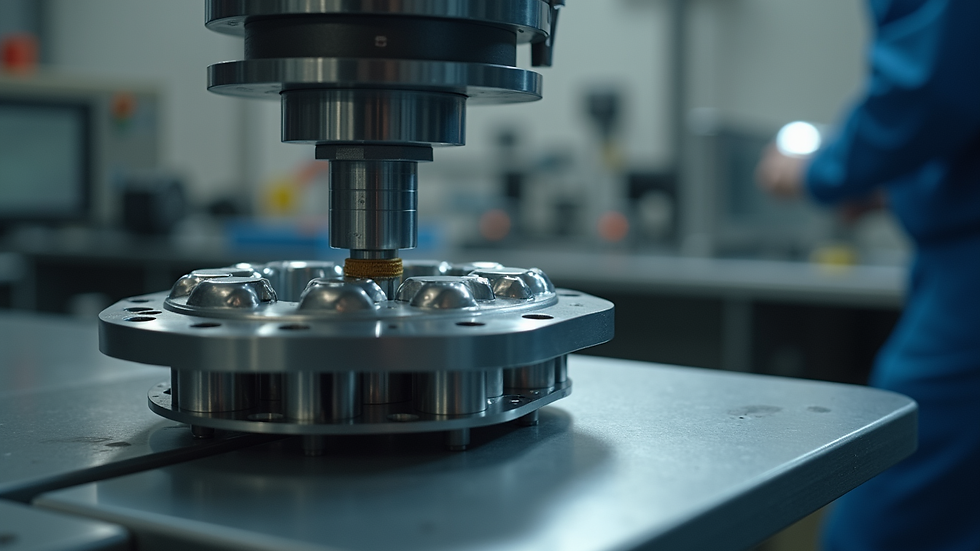
What are precision machined components?
Precision machined components are parts created with tight tolerances and exact specifications. They are produced using advanced machining techniques such as CNC (Computer Numerical Control) milling, turning, grinding, and EDM (Electrical Discharge Machining). These processes allow manufacturers to achieve dimensions and finishes that meet strict requirements.
These components often serve as critical parts in assemblies where accuracy is vital. Examples include gears, shafts, valves, and connectors. The materials used range from various metals to alloys, chosen based on strength, durability, and resistance to environmental factors.
The machining process involves careful planning, programming, and quality control. Each step ensures the final product meets the design intent and functional needs. Precision machining reduces waste and rework, saving time and costs in production.
Applications Across Key Industries
Precision components find applications in several demanding industries. Each sector has unique requirements that precision parts help fulfill.
Aerospace: Components must withstand extreme conditions such as high pressure, temperature fluctuations, and mechanical stress. Precision parts ensure aircraft safety and performance.
Automotive: Precision parts improve engine efficiency, reduce emissions, and enhance vehicle safety features.
Medical: Devices like surgical instruments, implants, and diagnostic equipment rely on precision parts for accuracy and reliability.
Industrial: Machinery used in manufacturing, energy, and processing plants depends on precision components to maintain uptime and productivity.
In all these sectors, the ability to produce parts with consistent quality and exact specifications is crucial. It supports innovation, reduces failures, and extends the life of equipment.

Benefits of Using Precision Components
The use of precision components offers several tangible benefits:
Improved Product Quality: Accurate parts lead to better fitting assemblies and higher performance.
Reduced Maintenance: Properly fitting components experience less wear, lowering maintenance frequency and costs.
Increased Efficiency: Machines operate more smoothly, reducing energy consumption and downtime.
Enhanced Safety: Precision reduces the risk of mechanical failure, protecting users and operators.
Cost Savings: Although precision parts may have higher upfront costs, they reduce long-term expenses related to repairs and replacements.
Manufacturers who invest in precision components gain a competitive edge by delivering reliable products that meet or exceed customer expectations.
How to Choose the Right Precision Components Supplier
Selecting a supplier for precision components requires careful consideration. Here are key factors to evaluate:
Capabilities: Ensure the supplier can handle the required materials, tolerances, and volumes.
Quality Control: Look for certifications such as ISO 9001 and evidence of rigorous inspection processes.
Experience: A supplier with a proven track record in your industry understands specific needs and challenges.
Technology: Advanced machinery and software improve accuracy and efficiency.
Responsiveness: Timely communication and delivery are critical to maintaining production schedules.
Location: Proximity can reduce lead times and shipping costs.
Partnering with a reliable supplier supports your manufacturing goals and helps maintain product integrity.
Final Thoughts on Precision Components
Precision components are essential for manufacturing success in high-stakes industries. Their role in ensuring safety, quality, and efficiency cannot be overstated. By understanding their importance and selecting the right partners, manufacturers can improve their processes and product outcomes.
For those seeking reliable precision metal components that meet stringent standards, investing in advanced fabrication capabilities and quality assurance is key. This approach supports long-term growth and strengthens industry reputation.