Fabrication Manufacturing Processes: A Detailed Overview
Metal fabrication manufacturing involves transforming raw metal materials into finished products through a series of precise and controlled processes. These processes require skill, technology, and strict adherence to quality standards. I will walk you through the key fabrication manufacturing processes, explaining their purpose, methods, and applications. This knowledge helps manufacturers in aerospace, automotive, medical, and industrial sectors understand how to optimize production and ensure product reliability.
Key Fabrication Manufacturing Processes
Fabrication manufacturing processes cover a broad range of techniques. Each process serves a specific function in shaping, cutting, joining, or finishing metal components. The most common processes include cutting, forming, welding, machining, and finishing. Understanding these steps helps in selecting the right approach for a project and improving efficiency.
Cutting
Cutting is the first step in most fabrication projects. It involves separating raw metal sheets, plates, or bars into smaller, manageable pieces. Common cutting methods include:
Shearing: Uses a blade to cut straight lines in sheet metal.
Laser cutting: Employs a focused laser beam to cut complex shapes with high precision.
Plasma cutting: Uses ionized gas to melt and blow away metal.
Waterjet cutting: Utilizes a high-pressure stream of water mixed with abrasive particles to cut metal without heat.
Each method has advantages depending on material thickness, complexity, and production volume. For example, laser cutting suits thin sheets with intricate designs, while plasma cutting works well for thicker metals.
Forming
Forming changes the shape of metal without removing material. It includes bending, rolling, stamping, and drawing. These processes rely on mechanical force to deform metal into desired shapes.
Bending: Applies force to create angles or curves in sheet metal.
Rolling: Passes metal through rollers to produce cylindrical or curved shapes.
Stamping: Uses dies and presses to cut or shape metal in one step.
Drawing: Pulls metal into a die to form hollow shapes like tubes or cups.
Forming is essential for producing parts with consistent dimensions and structural integrity. It reduces waste and often prepares components for assembly.
What does a metal fabrication company do?
A metal fabrication company handles the entire process of converting raw metal into finished parts or assemblies. Their services typically include:
Design and engineering support: Assisting with product design to optimize manufacturability.
Material sourcing: Procuring the appropriate metals based on project requirements.
Cutting and forming: Using advanced machinery to shape metal components.
Welding and joining: Assembling parts through various welding techniques or mechanical fasteners.
Machining: Refining parts with precision tools to meet tight tolerances.
Finishing: Applying surface treatments such as painting, powder coating, or plating to protect and enhance appearance.
Quality control: Inspecting parts to ensure they meet specifications and standards.
By managing these steps, a metal fabrication company delivers ready-to-use components that meet industry demands for strength, accuracy, and durability.
Welding and Joining Techniques
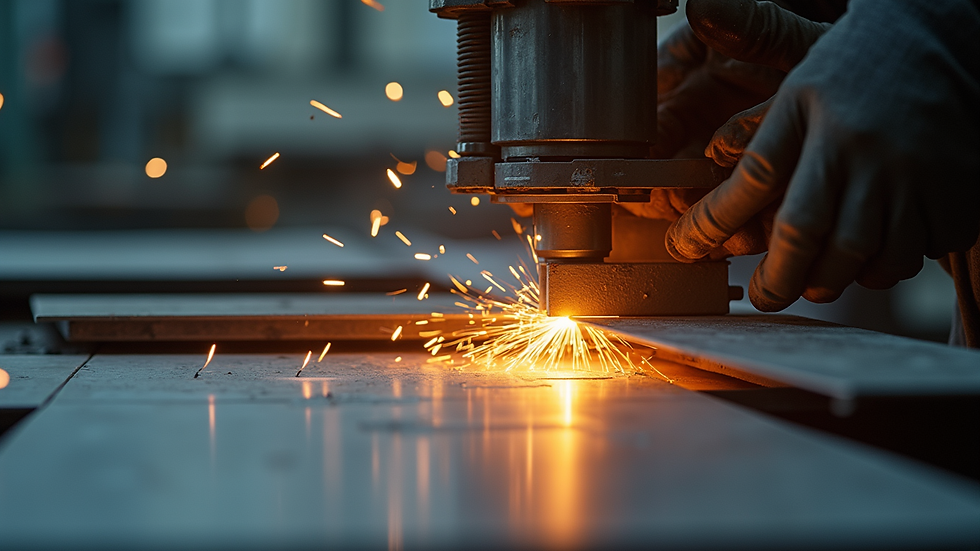
Welding is a critical process in metal fabrication manufacturing. It permanently joins metal parts by melting and fusing them together. Different welding methods suit different metals and applications:
MIG welding (Metal Inert Gas): Uses a continuous wire electrode and shielding gas. It is fast and suitable for thin to medium thickness metals.
TIG welding (Tungsten Inert Gas): Provides precise control with a non-consumable tungsten electrode. Ideal for thin metals and critical welds.
Stick welding: Uses a consumable electrode coated in flux. It works well outdoors and on thicker metals.
Spot welding: Joins overlapping sheets by applying pressure and electric current at specific points.
Besides welding, mechanical joining methods like riveting, bolting, and adhesive bonding are also used depending on design requirements.
Machining and Finishing
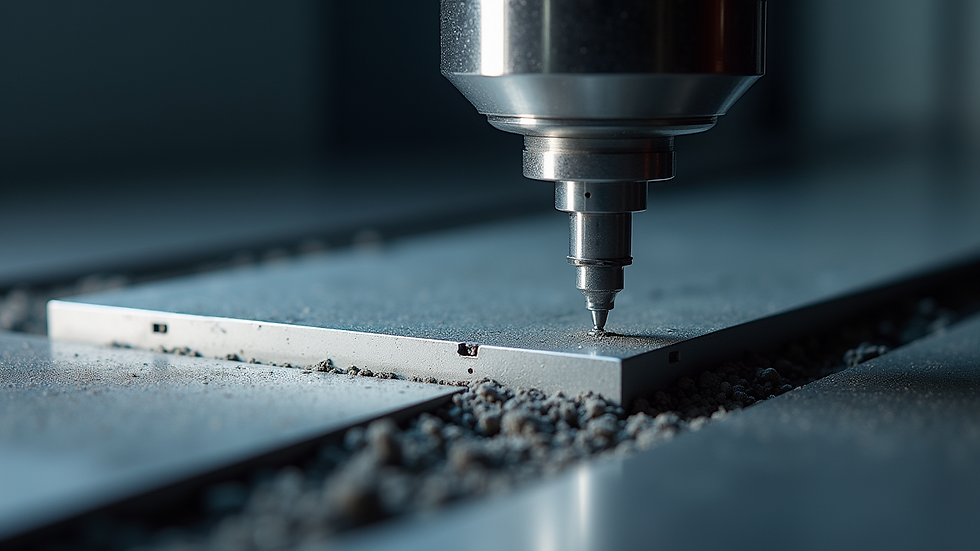
Machining refines metal parts by removing excess material to achieve exact dimensions and surface finishes. Common machining processes include:
Milling: Uses rotary cutters to remove material from flat or irregular surfaces.
Turning: Rotates the workpiece against a cutting tool to create cylindrical shapes.
Drilling: Creates holes with precision.
Grinding: Smooths surfaces and sharpens edges.
After machining, finishing processes improve appearance and protect metal from corrosion. These include:
Powder coating: Applies a dry powder that is cured under heat to form a durable finish.
Anodizing: Enhances corrosion resistance and surface hardness, especially for aluminum.
Plating: Deposits a thin metal layer such as chrome or zinc for protection and aesthetics.
Painting: Adds color and additional protection.

Optimizing Fabrication Manufacturing Processes
To improve efficiency and quality in fabrication manufacturing processes, consider the following recommendations:
Invest in advanced machinery: Modern CNC machines, laser cutters, and robotic welders increase precision and reduce cycle times.
Implement quality control at every stage: Use measurement tools and inspection protocols to catch defects early.
Train skilled operators: Ensure workers understand machine operation, safety, and quality standards.
Standardize processes: Develop clear procedures and documentation to maintain consistency.
Collaborate with suppliers: Source high-quality materials and maintain good communication to avoid delays.
Leverage design for manufacturability (DFM): Work with engineers to simplify designs and reduce fabrication complexity.
By applying these strategies, manufacturers can reduce waste, lower costs, and deliver superior products.
The Role of Technology in Metal Fabrication Manufacturing
Technology plays a vital role in advancing fabrication manufacturing processes. Automation, computer-aided design (CAD), and computer-aided manufacturing (CAM) systems streamline production. These tools enable:
Precision cutting and forming: CNC machines follow exact digital instructions.
Simulation and testing: Virtual models predict how parts will behave under stress.
Real-time monitoring: Sensors track machine performance and product quality.
Data-driven decision making: Analytics identify bottlenecks and optimize workflows.
Adopting these technologies helps manufacturers meet tight tolerances and demanding production schedules.
Moving Forward with Fabrication Manufacturing
Understanding the core fabrication manufacturing processes is essential for producing reliable metal components. From cutting and forming to welding, machining, and finishing, each step requires attention to detail and proper technique. By integrating advanced technology and maintaining rigorous quality control, manufacturers can achieve consistent results and meet industry standards.
For those seeking a trusted partner in precision metal fabrication, focusing on expanding capabilities and responsiveness is key. This approach supports growth and strengthens relationships with manufacturers across aerospace, automotive, medical, and industrial sectors.
I encourage you to explore how these processes can be tailored to your specific needs and to invest in continuous improvement. Doing so will ensure your products remain competitive and meet the highest standards of quality and performance.
For more information on metal fabrication manufacturing, consider reaching out to experts who specialize in precision and reliability.