Fabrication Manufacturing Processes: A Detailed Overview
Metal fabrication manufacturing involves transforming raw metal materials into finished products through a series of precise and controlled processes. These processes require skill, technology, and attention to detail to meet the demanding standards of industries such as aerospace, automotive, medical, and industrial sectors. I will walk you through the key fabrication manufacturing processes, explaining their purpose, methods, and practical applications.
Understanding Fabrication Manufacturing Processes
Fabrication manufacturing processes cover a broad range of techniques used to shape, cut, join, and finish metal components. Each process serves a specific function and is selected based on the material type, product design, and production volume. The main processes include cutting, forming, welding, machining, and finishing.
Cutting
Cutting is the first step in many fabrication projects. It involves separating metal sheets, plates, or bars into desired shapes and sizes. Common cutting methods include:
Shearing: Uses a blade to slice through metal sheets. It is fast and suitable for straight cuts.
Laser Cutting: Employs a focused laser beam to cut complex shapes with high precision.
Plasma Cutting: Uses ionized gas to melt and blow away metal, effective for thick materials.
Waterjet Cutting: Utilizes high-pressure water mixed with abrasive particles to cut without heat distortion.
Each method has advantages depending on the metal type and thickness. For example, laser cutting is ideal for thin stainless steel sheets requiring intricate designs, while plasma cutting suits thicker steel plates.
Forming
Forming changes the shape of metal without removing material. It includes bending, rolling, and stamping. These processes rely on force and tools to deform metal into the desired geometry.
Bending: Applies force to create angles or curves. Press brakes are commonly used for precise bends.
Rolling: Passes metal through rollers to produce cylindrical or curved shapes.
Stamping: Uses dies and presses to cut or shape metal sheets rapidly, often for high-volume production.
Forming is essential for creating structural components like brackets, frames, and enclosures. It maintains material strength by avoiding cuts and welds.

What does a metal fabrication company do?
A metal fabrication company provides comprehensive services to convert raw metal into finished parts or assemblies. Their work includes:
Design Assistance: Collaborating on product design to optimize manufacturability.
Material Selection: Advising on the best metals for strength, weight, and cost.
Cutting and Forming: Executing precise cutting and shaping operations.
Welding and Joining: Assembling components using various welding techniques.
Machining: Refining parts with milling, drilling, or turning for tight tolerances.
Finishing: Applying surface treatments like painting, powder coating, or plating.
These companies serve diverse industries by delivering custom solutions that meet strict quality and performance standards. Their expertise ensures parts fit and function as intended in complex assemblies.
Welding and Joining Techniques
Welding is a critical process in metal fabrication manufacturing. It joins metal parts permanently by melting and fusing them together. Different welding methods suit different metals and applications:
MIG Welding (Metal Inert Gas): Uses a continuous wire electrode and shielding gas. It is fast and versatile.
TIG Welding (Tungsten Inert Gas): Provides precise control for thin or exotic metals.
Stick Welding: Uses a consumable electrode, suitable for outdoor or heavy-duty work.
Spot Welding: Joins thin sheets by applying pressure and electric current at specific points.
Besides welding, other joining methods include riveting, bolting, and adhesive bonding. Choosing the right technique depends on strength requirements, accessibility, and production speed.
Machining and Finishing
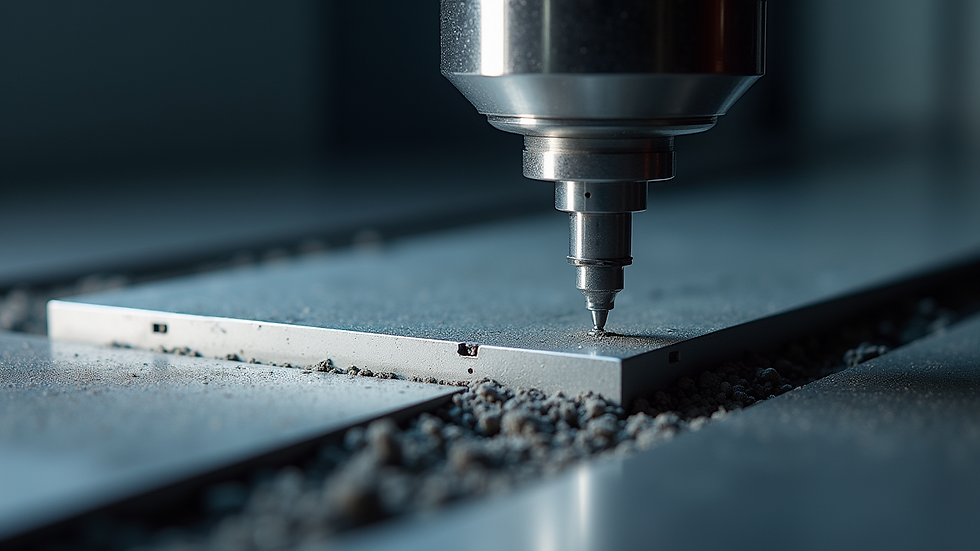
Machining refines metal parts to exact dimensions and surface finishes. It involves removing material using cutting tools on machines such as lathes, mills, and drills. Machining is essential for parts requiring tight tolerances or complex features.
Finishing processes improve appearance, corrosion resistance, and durability. Common finishing methods include:
Grinding and Polishing: Smooth surfaces and remove imperfections.
Powder Coating: Applies a durable colored finish.
Anodizing: Enhances corrosion resistance on aluminum.
Plating: Deposits metal layers like chrome or zinc for protection.
Proper finishing extends product life and meets industry standards for aesthetics and performance.

Optimizing Fabrication Manufacturing Processes
To maximize efficiency and quality in fabrication manufacturing processes, consider these recommendations:
Material Planning: Select metals that balance cost, strength, and machinability.
Process Integration: Combine compatible processes to reduce handling and lead times.
Automation: Use CNC machines and robotic welders to improve repeatability.
Quality Control: Implement inspection at each stage to catch defects early.
Skilled Workforce: Train operators on the latest techniques and safety standards.
By focusing on these areas, manufacturers can reduce waste, improve throughput, and deliver consistent products.
Expanding Capabilities for Precision Fabrication
As demand grows for complex and high-precision metal parts, expanding fabrication capabilities becomes essential. Investing in advanced equipment such as laser cutters, robotic welders, and multi-axis CNC machines enables handling intricate designs and tighter tolerances.
Maintaining responsiveness to customer needs and adhering to strict quality standards builds trust and long-term partnerships. Precision fabrication requires continuous improvement in technology, processes, and workforce skills.
By embracing these principles, companies can position themselves as reliable partners for manufacturers across aerospace, automotive, medical, and industrial sectors.
This overview of fabrication manufacturing processes highlights the essential steps and considerations for producing high-quality metal components. Understanding these processes helps optimize production and meet the rigorous demands of modern manufacturing.
For more detailed information on metal fabrication manufacturing, explore resources and services tailored to precision metal fabrication needs.