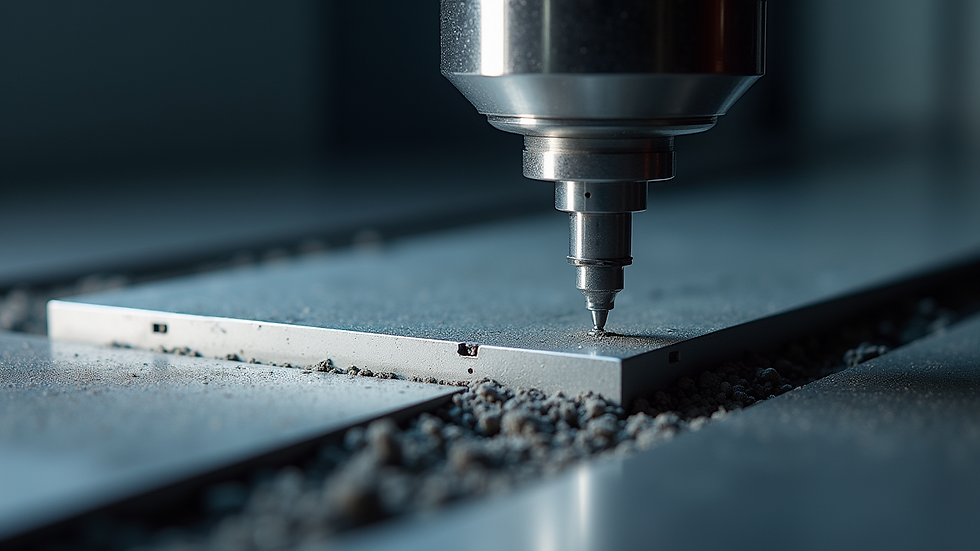
Enhancing Products with Fabrication Finishing Benefits
Fabrication finishing plays a crucial role in improving the quality and performance of metal products. It adds value by enhancing durability, appearance, and functionality. In manufacturing sectors such as aerospace, automotive, medical, and industrial, finishing processes ensure that components meet strict standards and perform reliably in demanding environments. I will explain how fabrication finishing benefits products and provide practical insights into its application.
Fabrication Finishing Benefits for Metal Products
Fabrication finishing improves metal products in several key ways. First, it protects surfaces from corrosion and wear. This extends the lifespan of parts, reducing maintenance and replacement costs. For example, anodizing aluminum parts creates a hard, corrosion-resistant layer that withstands harsh conditions.
Second, finishing enhances the appearance of metal components. Smooth, polished, or coated surfaces improve aesthetics and make products more appealing. This is important in industries where visual quality reflects brand reputation.
Third, finishing processes can improve mechanical properties. Techniques like heat treating or shot peening increase hardness and fatigue resistance. This ensures parts perform well under stress and maintain structural integrity.
Finally, finishing can prepare surfaces for further processing. Cleaning, deburring, and smoothing remove imperfections that could affect assembly or coating adhesion. This leads to better product consistency and quality control.
What are the types of metal finishing?
Understanding the types of metal finishing helps select the right process for each application. Common methods include:
Mechanical Finishing
This involves physical processes such as grinding, polishing, and buffing. It removes surface irregularities and creates smooth finishes. Mechanical finishing is often used to prepare parts for painting or plating.
Chemical Finishing
Chemical treatments like anodizing, passivation, and electroplating alter the surface chemistry. These processes improve corrosion resistance and add protective or decorative coatings.
Thermal Finishing
Heat treatments such as annealing, tempering, and carburizing change the metal’s microstructure. These methods enhance hardness, strength, and wear resistance.
Coating and Painting
Applying paints, powders, or other coatings protects metal from environmental damage. Coatings can also provide electrical insulation or improve friction properties.
Shot Peening and Blasting
These processes use abrasive materials to clean surfaces or induce compressive stresses. Shot peening improves fatigue life, while blasting removes rust and scale.
Each finishing type serves a specific purpose. Selecting the right method depends on the material, intended use, and performance requirements.

Practical Applications of Fabrication Finishing
In aerospace manufacturing, finishing ensures components resist corrosion and fatigue. For example, turbine blades receive specialized coatings to withstand high temperatures and stress. This finishing extends service life and improves safety.
The automotive industry relies on finishing to enhance both function and appearance. Painted and coated body panels resist rust and maintain a sleek look. Engine parts undergo heat treatment to improve durability under extreme conditions.
Medical devices require precise finishing to meet hygiene and biocompatibility standards. Polished surfaces reduce bacterial growth and facilitate sterilization. Finishing also ensures tight tolerances and smooth edges for patient safety.
Industrial equipment benefits from finishing that protects against abrasion and chemical exposure. Coatings and surface treatments extend equipment life and reduce downtime.
How to Choose the Right Fabrication Finishing Process
Choosing the appropriate finishing process involves several considerations:
Material Type: Different metals respond uniquely to finishing methods. Aluminum, steel, and titanium each require tailored approaches.
Environmental Conditions: Consider exposure to moisture, chemicals, or temperature extremes.
Mechanical Requirements: Determine if hardness, wear resistance, or fatigue strength must improve.
Aesthetic Needs: Decide on the desired surface texture and appearance.
Cost and Production Volume: Balance finishing quality with budget and manufacturing scale.
Consulting with experienced fabricators helps identify the best finishing solution. They can recommend processes that align with product specifications and industry standards.
Partnering for Precision and Quality
To achieve optimal results, collaboration with a trusted metal fabrication partner is essential. A company with advanced capabilities and a commitment to quality can deliver consistent finishing that meets exacting requirements.
I recommend working with fabricators who offer a range of finishing options and understand the demands of aerospace, automotive, medical, and industrial sectors. Their expertise ensures products perform reliably and maintain high standards.
For example, metal fabrication finishing services that combine precision machining with advanced finishing techniques provide a competitive advantage. This approach supports manufacturers in the Southeastern U.S. and beyond.

Maximizing Product Value Through Finishing
Fabrication finishing is not just a final step; it is an integral part of product development. By incorporating finishing early in the design and manufacturing process, manufacturers can:
Reduce rework and defects
Improve product consistency
Enhance performance and lifespan
Increase customer satisfaction
Investing in quality finishing pays off through lower total costs and stronger market positioning. It also supports compliance with industry regulations and standards.
I encourage manufacturers to evaluate their finishing processes regularly and explore new technologies. Staying current with innovations in surface treatment can unlock further benefits and efficiencies.
Fabrication finishing transforms metal products into durable, functional, and visually appealing components. It supports the demanding needs of aerospace, automotive, medical, and industrial applications. By understanding finishing types, selecting appropriate methods, and partnering with skilled fabricators, manufacturers can enhance product value and maintain competitive advantage.