Automotive Fabrication Techniques: Essential Methods for Precision Metalwork
Automotive fabrication techniques form the backbone of manufacturing processes in the automotive industry. These methods shape raw metal into components that meet strict standards for strength, durability, and precision. I will explore key fabrication techniques, their applications, and how they contribute to producing high-quality automotive parts. Understanding these methods helps manufacturers optimize production and maintain competitive advantages.
Key Automotive Fabrication Techniques
Automotive fabrication involves several core techniques. Each technique serves a specific purpose and suits different types of metal and design requirements. The most common methods include:
Cutting: Separating metal sheets or bars into desired shapes using tools like laser cutters, plasma cutters, or shears.
Bending: Shaping metal by applying force to create angles or curves without breaking the material.
Welding: Joining metal parts by melting and fusing them together.
Stamping: Using dies and presses to form metal into complex shapes quickly.
Machining: Removing material from metal parts to achieve precise dimensions and finishes.
Each technique requires specialized equipment and skilled operators. Selecting the right method depends on the metal type, part complexity, and production volume.
Cutting Techniques
Cutting is the first step in many fabrication processes. Laser cutting offers high precision and clean edges, ideal for intricate designs. Plasma cutting works well for thicker metals but may leave rougher edges. Shearing is efficient for straight cuts on sheet metal.
For example, laser cutting can produce detailed brackets or panels with tight tolerances. It reduces the need for secondary finishing, saving time and cost. Plasma cutting suits heavy-duty frame components where speed is critical.
Bending Methods
Bending shapes metal without removing material. Press brakes are common machines that apply force to bend sheets at specific angles. Roll bending creates curves by passing metal through rollers.
Proper bending requires calculating the metal’s spring-back effect to achieve accurate angles. For instance, forming a car door frame demands precise bends to ensure proper fit and strength.
Welding Processes
Welding joins metal parts permanently. Common welding types include MIG (Metal Inert Gas), TIG (Tungsten Inert Gas), and spot welding. MIG welding is fast and suitable for thicker metals. TIG welding offers cleaner, more precise welds for thinner materials. Spot welding is widely used in assembling car bodies.
Welding quality directly affects the durability and safety of automotive parts. Proper technique and inspection prevent weak joints and defects.

Stamping and Forming
Stamping uses dies to press metal sheets into shapes rapidly. It is ideal for high-volume production of parts like fenders, hoods, and brackets. Stamping can include blanking, embossing, and coining to add features or textures.
This technique reduces material waste and speeds up production. However, it requires upfront investment in custom dies and presses.
Machining for Precision
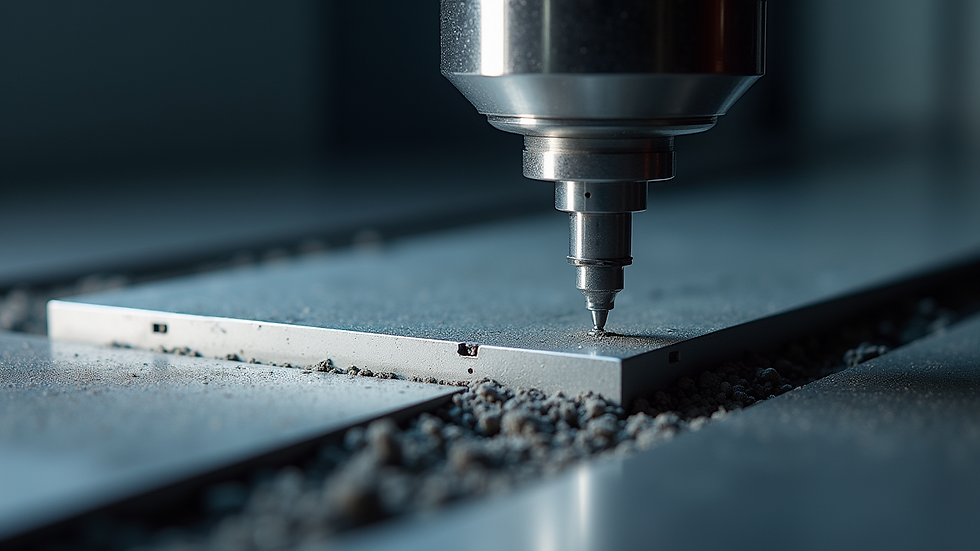
Machining removes excess metal to achieve exact dimensions. CNC (Computer Numerical Control) machines automate this process for consistent results. Machining is essential for parts requiring tight tolerances, such as engine components or suspension parts.
Using CNC machining, manufacturers can produce complex geometries with minimal human error. It also allows for quick adjustments in design.
Automotive Fabrication Techniques in Practice
In practice, manufacturers combine these techniques to produce finished parts. For example, a suspension bracket might start as a laser-cut metal sheet, then bent to shape, welded to reinforcement pieces, and finally machined for mounting holes.
Choosing the right sequence and methods improves efficiency and part quality. It also reduces scrap and rework, which lowers costs.
I recommend manufacturers invest in advanced equipment and train operators thoroughly. Automation and robotics can further enhance precision and throughput.
Is a Metal Fabricator a Good Job?
Metal fabrication offers stable career opportunities with good earning potential. Fabricators work with hands-on skills and technology to create essential components. The job requires attention to detail, physical stamina, and problem-solving abilities.
The demand for skilled fabricators remains strong in automotive and other industries. Fabricators can specialize in welding, machining, or assembly. Advancement opportunities include supervisory roles or technical positions in design and quality control.
Working in fabrication also provides a sense of accomplishment by producing tangible products. For those interested in manufacturing and engineering, it is a rewarding career path.
Quality Control in Automotive Metal Fabrication
Maintaining quality is critical in automotive metal fabrication. Parts must meet strict standards for safety and performance. Quality control involves:
Material inspection: Verifying metal grade and properties before fabrication.
Dimensional checks: Measuring parts to ensure they meet specifications.
Weld inspection: Using visual and non-destructive testing to detect defects.
Surface finish evaluation: Ensuring smoothness and corrosion resistance.
Implementing quality control at every stage prevents costly failures and recalls. It also builds trust with customers and partners.

Future Trends in Automotive Fabrication Techniques
The automotive industry continues to evolve with new materials and technologies. Fabrication techniques adapt accordingly. Emerging trends include:
Use of lightweight alloys: Aluminum and magnesium reduce vehicle weight and improve fuel efficiency.
Additive manufacturing: 3D printing metal parts allows for complex designs and rapid prototyping.
Automation and robotics: Increase precision and reduce labor costs.
Advanced welding methods: Laser welding and friction stir welding improve joint quality.
Staying current with these trends helps manufacturers remain competitive and meet evolving industry demands.
Enhancing Manufacturing Capabilities
Expanding fabrication capabilities requires investment in equipment, training, and process optimization. Manufacturers should:
Evaluate current processes for bottlenecks and inefficiencies.
Upgrade to CNC and robotic systems where feasible.
Train staff on new technologies and quality standards.
Collaborate with suppliers and customers to align on specifications.
Implement lean manufacturing principles to reduce waste.
By focusing on these areas, manufacturers can improve output, reduce costs, and deliver superior products.
Automotive fabrication techniques are fundamental to producing reliable, high-quality metal parts. Mastering cutting, bending, welding, stamping, and machining enables manufacturers to meet stringent industry requirements. Continuous improvement and adoption of new technologies will drive success in this competitive field. For those seeking precision and efficiency in metalwork, investing in advanced fabrication methods is essential.
For more detailed insights on automotive metal fabrication, exploring specialized services and capabilities can provide a strategic advantage.