Automotive Fabrication Techniques: Essential Methods for Precision Metalwork
Automotive fabrication techniques form the backbone of manufacturing processes in the automotive industry. These methods shape raw metal into components that meet strict standards for strength, durability, and precision. I will explore key fabrication techniques, their applications, and how they contribute to producing high-quality automotive parts. Understanding these methods helps manufacturers optimize production and maintain competitive advantages.
Key Automotive Fabrication Techniques
Metal fabrication in automotive manufacturing involves several core techniques. Each technique serves a specific purpose and suits different types of metal and design requirements. The most common methods include:
Cutting: Separating metal sheets or bars into desired shapes and sizes. Techniques include laser cutting, plasma cutting, and waterjet cutting. Laser cutting offers high precision and clean edges, ideal for complex parts.
Forming: Shaping metal without removing material. This includes bending, stamping, and rolling. Stamping uses dies to press metal into shapes quickly, suitable for mass production.
Welding: Joining metal parts by melting and fusing them. Common welding types are MIG, TIG, and spot welding. Welding ensures strong joints essential for structural components.
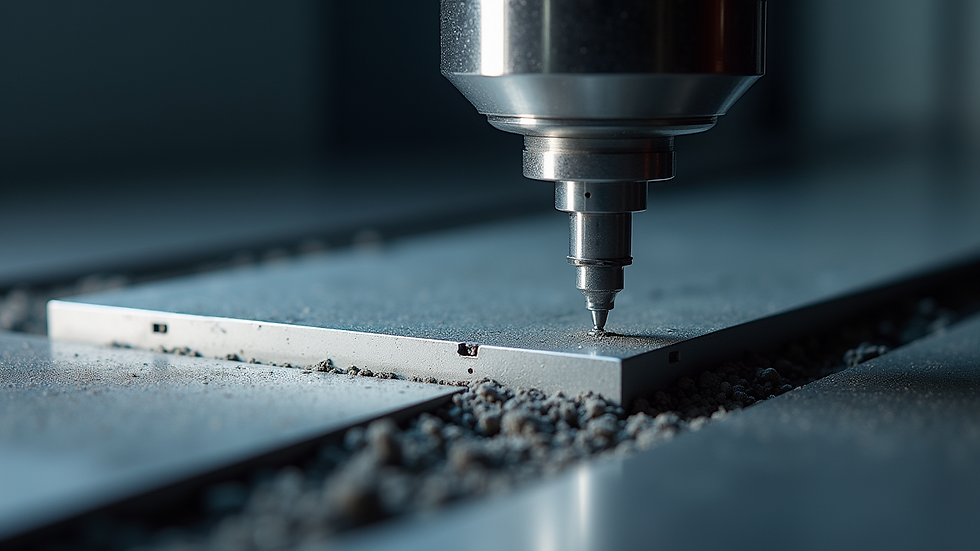
Machining: Removing material to achieve precise dimensions. CNC milling and turning are standard machining processes used to create detailed parts.
Finishing: Processes like grinding, polishing, and coating improve surface quality and protect against corrosion.
Each technique requires specialized equipment and skilled operators. Combining these methods allows fabricators to produce complex assemblies with tight tolerances.

Automotive Fabrication Techniques in Practice
In automotive fabrication, selecting the right technique depends on the part’s function, material, and production volume. For example, body panels often undergo stamping due to the need for consistent shapes at high speed. Structural frames may require welding and machining to ensure strength and fit.
I have observed that integrating automation in these techniques improves efficiency and repeatability. Robotic welding arms, for instance, deliver consistent welds and reduce human error. Similarly, CNC machines provide precise cuts and shapes, minimizing waste.
Manufacturers must also consider material properties. Aluminum, favored for its light weight, requires different welding parameters than steel. Understanding these nuances ensures the integrity of the final product.
Practical Recommendations
Use laser cutting for intricate designs and minimal material distortion.
Employ stamping for high-volume production of uniform parts.
Choose TIG welding for thin metals requiring clean, strong joints.
Implement CNC machining for parts with complex geometries.
Apply protective coatings after fabrication to extend part lifespan.
These recommendations help optimize production workflows and maintain quality standards.
Is a Metal Fabricator a Good Job?
The role of a metal fabricator is critical in automotive manufacturing. It demands technical skills, attention to detail, and knowledge of various fabrication methods. Metal fabricators operate machinery, interpret blueprints, and ensure parts meet specifications.
From my experience, this job offers stability and opportunities for advancement. Skilled fabricators are in demand due to the complexity of modern automotive components. The work environment can be physically demanding but rewarding for those who enjoy hands-on tasks and problem-solving.
Training programs and certifications enhance employability. Fabricators who master multiple techniques and adapt to new technologies position themselves well for career growth.
Job Benefits
Steady demand in automotive and industrial sectors.
Opportunities to work with advanced machinery.
Potential for specialization in welding, machining, or forming.
Pathways to supervisory or technical roles.
Metal fabrication is a solid career choice for individuals interested in manufacturing and engineering.

The Role of Precision in Automotive Metal Fabrication
Precision is paramount in automotive metal fabrication. Parts must fit together perfectly to ensure vehicle safety and performance. Even minor deviations can cause assembly issues or compromise structural integrity.
I emphasize the importance of quality control throughout the fabrication process. Techniques such as coordinate measuring machines (CMM) and laser scanners verify dimensions and detect defects early. This reduces costly rework and scrap.
Material traceability and documentation also support quality assurance. Tracking each batch of metal and recording fabrication parameters helps identify sources of variation.
Enhancing Precision
Calibrate equipment regularly.
Train operators on measurement tools.
Use computer-aided design (CAD) and manufacturing (CAM) software.
Implement statistical process control (SPC) to monitor production.
Maintaining precision safeguards product reliability and customer satisfaction.
Future Trends in Automotive Fabrication Techniques
The automotive industry continues to evolve, driving innovation in metal fabrication. Lightweight materials like advanced high-strength steel and aluminum alloys require new joining and forming methods.
Additive manufacturing, or 3D printing, is emerging as a complementary technique for prototyping and low-volume parts. It allows complex geometries that traditional methods cannot achieve.
Automation and digitalization also transform fabrication. Smart factories use sensors and data analytics to optimize processes and predict maintenance needs.
Manufacturers who adopt these trends gain competitive advantages by reducing costs and improving product quality.
Preparing for the Future
Invest in training for new fabrication technologies.
Explore hybrid manufacturing combining additive and subtractive methods.
Upgrade equipment to support automation and data integration.
Collaborate with material scientists to understand new alloys.
Staying ahead in fabrication techniques ensures readiness for evolving automotive demands.
Building Strong Partnerships in Metal Fabrication
Reliable partnerships are essential for successful automotive manufacturing. Working with experienced fabricators who understand industry standards and customer needs leads to better outcomes.
I recommend selecting partners who demonstrate:
Advanced capabilities in multiple fabrication techniques.
Commitment to quality and responsiveness.
Flexibility to handle custom and complex projects.
Strong communication and project management skills.
Such partnerships streamline production and support innovation.
For manufacturers seeking expertise, automotive metal fabrication providers with a proven track record offer valuable resources. Their knowledge and equipment help meet tight deadlines and exacting specifications.
Key Partnership Benefits
Access to specialized equipment and skilled labor.
Reduced lead times and improved delivery reliability.
Enhanced product quality through collaborative problem-solving.
Support for scaling production as market demands grow.
Building these relationships contributes to long-term manufacturing success.