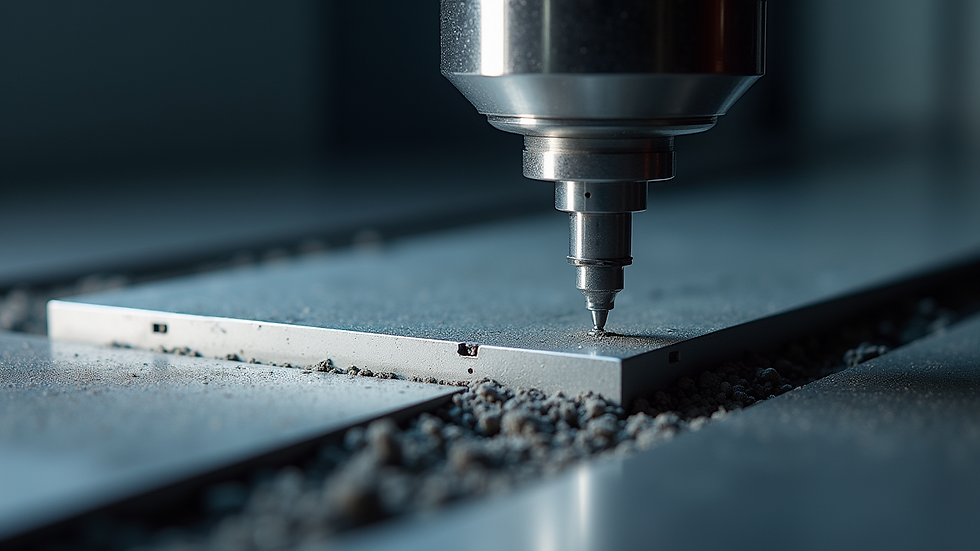
Aerospace Fabrication Challenges: Navigating Complexities in Metalwork
Metal fabrication in aerospace demands precision, reliability, and adherence to strict standards. The process involves shaping and assembling metal components that must perform flawlessly under extreme conditions. I explore the key challenges faced in this field and offer practical insights to overcome them.
Understanding Aerospace Fabrication Challenges
Aerospace fabrication challenges stem from the need to meet rigorous safety and performance criteria. Components must withstand high stress, temperature variations, and corrosive environments. This requires advanced materials and precise manufacturing techniques.
One major challenge is working with lightweight alloys such as titanium and aluminum. These metals offer strength-to-weight advantages but present difficulties in machining and welding. For example, titanium’s reactivity at high temperatures demands controlled environments to prevent contamination.
Another issue is maintaining tight tolerances. Aerospace parts often require dimensional accuracy within microns. Achieving this demands state-of-the-art equipment and skilled operators. Even minor deviations can lead to assembly problems or failure in service.
Material traceability also plays a critical role. Every batch of metal must be documented from source to finished product. This ensures compliance with industry regulations and facilitates quality control.
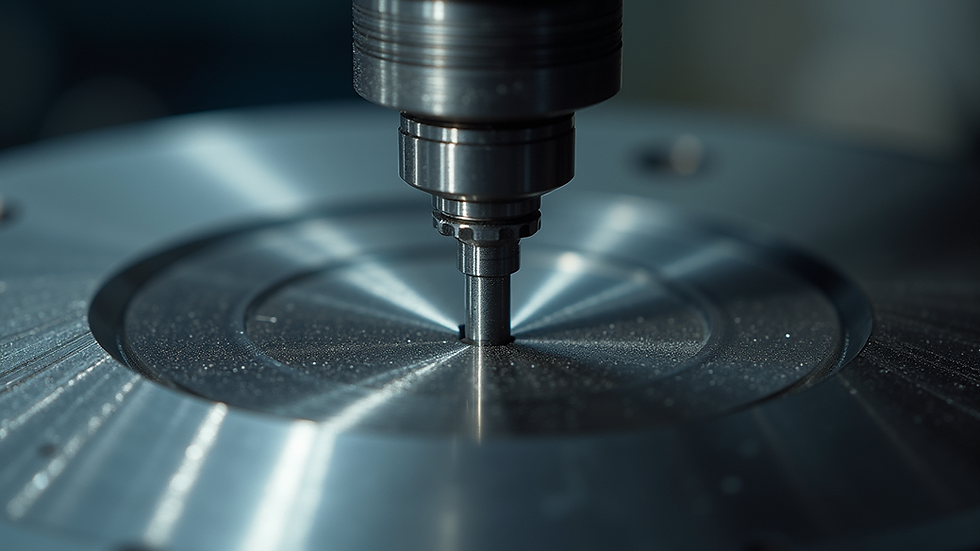
Precision and Quality Control in Fabrication
Quality control is essential to address aerospace fabrication challenges. I emphasize the importance of implementing robust inspection protocols throughout the production cycle.
Non-destructive testing (NDT) methods such as ultrasonic, radiographic, and dye penetrant inspections detect internal and surface defects without damaging parts. These techniques help identify cracks, voids, or inclusions that could compromise integrity.
In-process monitoring using coordinate measuring machines (CMM) ensures parts meet dimensional specifications. Automated systems reduce human error and increase repeatability.
Process control is another critical factor. Maintaining consistent welding parameters, heat treatment cycles, and machining speeds prevents variability. Documenting these parameters supports traceability and continuous improvement.
Training personnel in quality standards and fabrication techniques enhances overall outcomes. Skilled workers can identify potential issues early and apply corrective actions promptly.
Material Selection and Handling
Choosing the right material is fundamental to overcoming aerospace fabrication challenges. Each alloy offers unique properties that affect machinability, weldability, and durability.
For instance, aluminum alloys are popular for their light weight and corrosion resistance but require careful control of heat input during welding to avoid weakening. Titanium alloys provide excellent strength and temperature resistance but are costly and difficult to machine.
Proper handling of materials is equally important. Metals must be stored in controlled environments to prevent oxidation and contamination. Cleanliness during fabrication reduces the risk of defects.
I recommend establishing strict protocols for material receipt, storage, and preparation. This includes verifying certifications and conducting incoming inspections.

Advanced Fabrication Techniques
To meet aerospace fabrication challenges, manufacturers increasingly adopt advanced techniques. These methods improve precision, reduce waste, and enhance part performance.
Laser cutting and waterjet cutting offer high accuracy and minimal thermal distortion. They are suitable for complex shapes and thin materials.
Additive manufacturing, or 3D printing, enables the production of intricate components with reduced lead times. It allows for design flexibility and material savings.
Robotic welding systems provide consistent weld quality and increase throughput. Automation reduces human error and improves safety.
Implementing these technologies requires investment in equipment and training. However, the benefits in quality and efficiency justify the costs.
Managing Supply Chain and Compliance
Supply chain management is a significant challenge in aerospace fabrication. Delays or quality issues with raw materials can disrupt production schedules.
I stress the importance of working with reliable suppliers who understand aerospace standards. Establishing strong relationships and clear communication channels helps mitigate risks.
Compliance with industry regulations such as AS9100 and NADCAP is mandatory. These standards govern quality management and special processes in aerospace manufacturing.
Regular audits and documentation ensure adherence to requirements. Maintaining certification supports customer confidence and market access.
Strategies for Overcoming Fabrication Challenges
Addressing aerospace fabrication challenges requires a comprehensive approach:
Invest in advanced machinery and inspection tools.
Train staff continuously on best practices and quality standards.
Develop strict material handling and traceability protocols.
Adopt automation and innovative fabrication methods.
Build strong supplier partnerships and enforce compliance.
Implement continuous improvement programs to identify and resolve issues.
By following these strategies, manufacturers can enhance product quality, reduce costs, and meet demanding aerospace specifications.
Looking Ahead: The Future of Aerospace Fabrication
The aerospace industry continues to evolve, pushing fabrication capabilities to new limits. Emerging materials like composites and high-entropy alloys will introduce fresh challenges and opportunities.
Digitalization and Industry 4.0 technologies will transform fabrication processes. Real-time data analytics, machine learning, and smart automation will improve decision-making and efficiency.
Manufacturers who adapt to these trends and invest in innovation will maintain a competitive edge. Precision and responsiveness remain critical as aerospace demands grow more complex.
I encourage ongoing collaboration between fabricators, designers, and suppliers to drive advancements. Together, we can overcome challenges and deliver superior aerospace components.
This overview highlights the complexities and solutions in aerospace metal fabrication. By understanding and addressing these challenges, manufacturers can achieve excellence in this demanding field.